Marsala Wine Alternatives: Delicious Swaps for Your Recipe
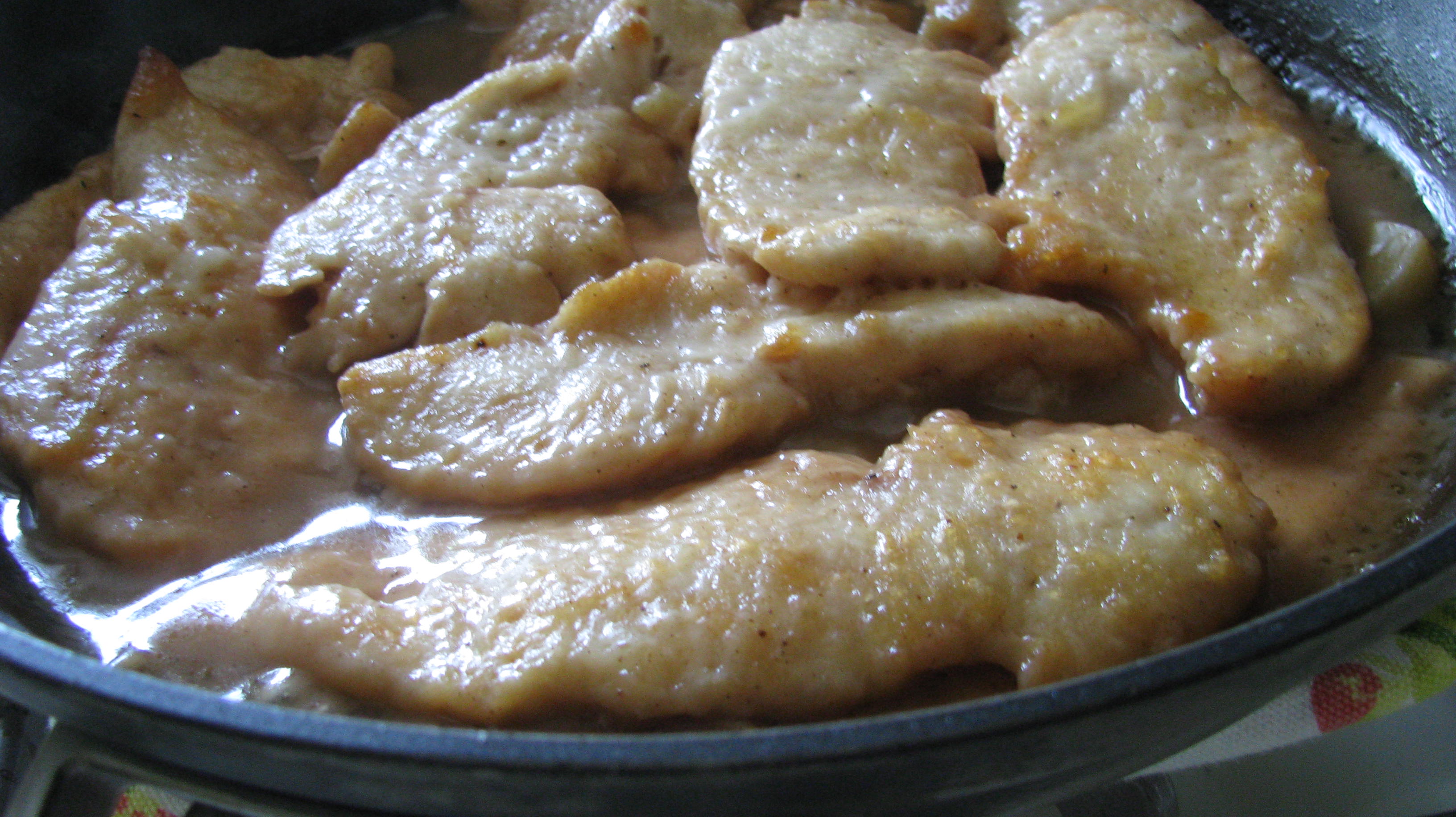
Few dishes capture the essence of cozy comfort and gourmet sophistication quite like easy restaurant-quality chicken marsala. This Italian-inspired classic, renowned for its golden, juicy chicken breasts smothered in a rich, creamy mushroom sauce, has earned its place as a weeknight hero and a weekend showstopper alike. It's the kind of meal that promises an unforgettable dining experience right in your own kitchen, effortlessly rivaling your favorite restaurant's rendition.
At the heart of this iconic dish lies Marsala wine – a fortified wine from Sicily that imparts a unique depth, a hint of sweetness, and an unparalleled complexity to the sauce. But what happens when your pantry is bare of this essential ingredient? Do you abandon your culinary dreams? Absolutely not! This article will guide you through fantastic Marsala wine alternatives, ensuring your chicken marsala remains a symphony of taste, even without the traditional star.
The Unforgettable Appeal of Chicken Marsala
Before we dive into substitutes, let's briefly celebrate what makes chicken marsala such a culinary delight. Often described as an Americanized version of the traditional Italian Scaloppine, it’s a dish that manages to be both incredibly comforting and impressively elegant. The magic happens when perfectly pan-fried chicken, crispy on the outside and tender within, meets a velvety sauce laden with earthy mushrooms and a punch of garlic.
The flavor profile is distinct: a harmonious blend of deep, robust notes with a subtle sweetness, culminating in an umami-rich experience that keeps you coming back for more. This complexity is largely thanks to Marsala wine. Its deep amber hue and intricate balance of flavors—ranging from nutty to caramel, with hints of dried fruit—contribute significantly to the sauce's character. Whether you opt for a dry Marsala for a more savory, intense profile or a sweet Marsala for a touch of dessert-like charm, it's the defining element that traditionally sets this dish apart.
Understanding the role of Marsala wine – its fortifying nature, its origin, and its impact on the dish's flavor and aroma – is crucial when seeking a substitute. It's not just about adding liquid; it's about replicating that unique depth and richness that Marsala provides to the overall experience of chicken marsala.
Top Marsala Wine Alternatives for Your Recipe
Fear not, culinary adventurers! A missing bottle of Marsala wine doesn't mean the end of your chicken marsala aspirations. There are several fantastic alternatives that can closely mimic or beautifully complement the desired flavor profile. The key is to understand what each substitute brings to the table and how it interacts with the other ingredients.
- Dry Madeira Wine: The Fortified Cousin
Hailing from the Portuguese island of Madeira, this fortified wine is perhaps the closest cousin to Marsala in terms of culinary application. Dry Madeira offers a robust flavor with subtle notes of caramel, nuts, and a touch of sweetness that beautifully emulates Marsala's complexity. Its acidity and rich character make it an excellent 1:1 substitute. When using Madeira, consider its strength and sweetness; a drier style (like Sercial or Verdelho) is usually preferred for savory dishes to prevent the sauce from becoming overly sweet. It will contribute a similar depth and body, making your sauce feel luxurious and well-rounded.
- Dry Sherry: The Nutty & Robust Stand-In
Another fortified wine, dry sherry (particularly Fino, Amontillado, or Oloroso) is a superb substitute. It brings a rich, nutty, and sometimes savory essence to the dish, effectively mimicking Marsala's depth. Be sure to choose a *dry* sherry, as sweet sherries will drastically alter the flavor profile towards a dessert-like quality. Avoid "cooking sherry," which often contains high levels of sodium and artificial flavors. A good quality dry sherry will contribute a sophisticated, warm undertone that complements the mushrooms and chicken beautifully.
- Dry Port Wine: The Fruity & Full-Bodied Option
While often associated with dessert, certain styles of Port can be a surprisingly effective substitute for Marsala, particularly dry white or tawny ports. The reference context suggested "Port (1/2 cup)," indicating a careful addition. Dry Port offers a fruitier, richer, and more full-bodied profile than Marsala, so it's best to start with a slightly smaller quantity (e.g., 1/2 cup for a typical recipe) and taste as you go. It will impart a deeper color and a lovely aromatic sweetness, but it's important to balance this with savory elements to prevent the sauce from becoming cloying. If only sweet port is available, use it sparingly and consider adding a splash of dry red wine or chicken broth to balance the sweetness.
- Dry Vermouth: The Aromatic & Herbaceous Choice
Dry vermouth, a fortified and aromatized wine, can step in admirably. Its herbaceous and slightly bitter notes add an interesting layer of complexity that can mimic the nuanced character of Marsala. While it doesn't have the same caramel notes, its unique flavor profile can create a sophisticated sauce. Use it in a 1:1 ratio, but be mindful of its distinct aroma; it may lend a slightly different, though still delicious, twist to your chicken marsala.
- Non-Alcoholic Options: Broth with a Tang
For those avoiding alcohol, a flavorful chicken or mushroom broth can form the base. To add the necessary depth and acidity that Marsala provides, incorporate a splash of balsamic vinegar, red wine vinegar, or even a touch of lemon juice. The acidity brightens the sauce and provides a subtle tang that mimics the wine's character. You might also consider adding a small amount of concentrated grape juice (unsweetened) or a touch of umami-rich soy sauce to deepen the flavor profile.
Tips for Perfecting Your Alternative Chicken Marsala Sauce
Simply swapping the wine isn't always enough; understanding how to adjust and enhance your sauce will guarantee a delicious outcome:
- Taste, Taste, Taste: This is the golden rule. Start with a conservative amount of your chosen substitute, especially with stronger or sweeter options, and adjust as you cook. Flavors deepen as they simmer.
- Deglaze Effectively: Regardless of your chosen liquid, use it to scrape up all those flavorful browned bits from the bottom of the pan after cooking the chicken and mushrooms. This is where much of your sauce's depth will come from.
- Balance Sweetness and Acidity: If your chosen substitute is on the sweeter side (like some Ports or grape juice), a squeeze of lemon juice or a tiny splash of vinegar can cut through the sweetness and add brightness.
- Boost Umami: Mushrooms are already umami powerhouses, but with certain substitutes, you might enhance this further. A dash of Worcestershire sauce, a pinch of mushroom powder, or even a very small amount of concentrated beef bouillon can add extra savoriness.
- Thicken Thoughtfully: Ensure your sauce reaches the desired consistency. The flour dredge on the chicken will help, but if needed, a quick cornstarch slurry (1 tsp cornstarch mixed with 1 tsp cold water) can thicken the sauce quickly at the end.
Beyond the Wine: Crafting a Stellar Chicken Marsala
While Marsala wine (or its alternative) is crucial, the true magic of chicken marsala lies in the synergy of all its components. Even with a perfect wine substitute, neglecting other key ingredients can diminish the final result. For that authentic restaurant-quality experience in about 30 minutes, remember to focus on:
- Quality Chicken: Boneless, skinless chicken breasts, pounded thin for even cooking, ensure a tender bite. Seasoning generously and dredging in flour creates that coveted golden crust that locks in juices and helps thicken the sauce.
- Mushroom Excellence: Cremini (baby bellas) or brown mushrooms are ideal. Slice them thin and sauté them until deeply golden-brown. This process extracts their intense, earthy flavor, which is fundamental to the dish.
- Aromatic Base: Don't skimp on fresh garlic and, optionally, shallots. These aromatics build the foundational layers of flavor before the liquid is added.
- Creamy Finish: The addition of heavy cream (or half-and-half for a lighter touch) at the end is what gives the sauce its luxurious, velvety texture. A knob of butter swirled in at the very end adds extra richness and sheen.
By paying attention to these elements, you ensure that every bite of your chicken marsala, regardless of the wine choice, is absolutely sensational.
Conclusion
Don't let a missing bottle of Marsala wine deter you from creating a truly delicious chicken marsala. As we've explored, the culinary world offers a delightful array of substitutes, from the fortified richness of Madeira and dry sherry to the herbaceous notes of vermouth, and even non-alcoholic options that provide remarkable depth. Each alternative brings its own unique character, allowing you to tailor the dish to your preference or what you have on hand.
The essence of a memorable chicken marsala lies not just in specific ingredients, but in the harmonious balance of flavors and textures. Experiment with these suggestions, trust your palate, and enjoy the rewarding process of bringing a restaurant-worthy dish to your home kitchen. Happy cooking!
